Most NC homeowners expect solar installation to take a few days. When they hear 8 to 14 weeks, the question is always the same: what takes so long?
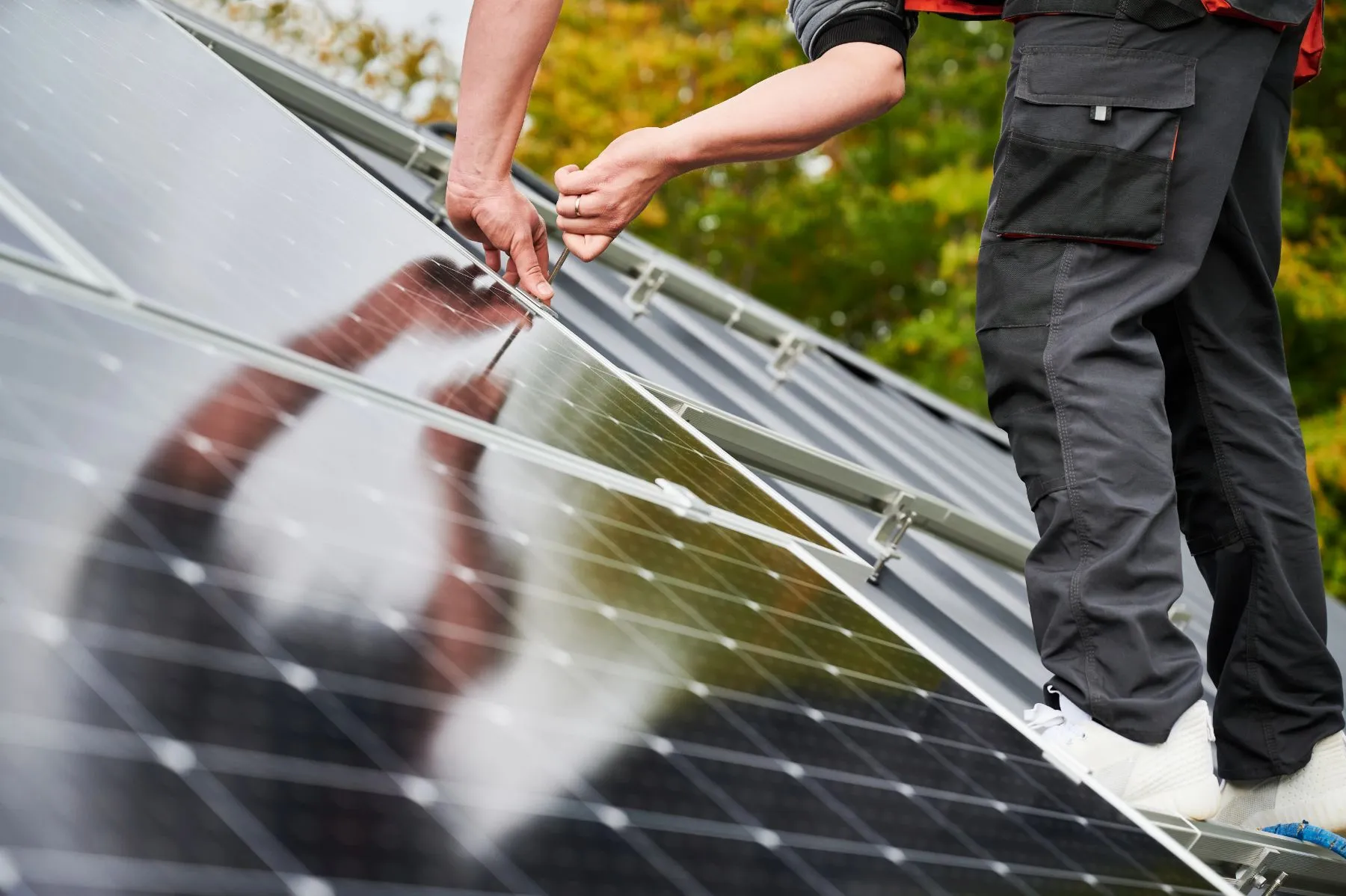
The panels go on the roof in 1 to 3 days. The rest of the timeline is paperwork, approvals, and inspections, most of them running in parallel but each with its own queue.
Solar installation steps from permit to power-on
1. Design and engineering (1–2 weeks after contract)
After you sign a contract, your installer designs the system: panel layout, inverter selection, wiring plan, and shading analysis. This produces the drawings required for permit applications. Some installers complete this faster; more complex roofs take longer.
2. Permit applications (submitted by your installer)
Solar in North Carolina requires permits at two levels:
- County building permit: Required by your local county government. In Wake County and Mecklenburg County, this covers the structural work (the racking attached to your roof).
- County electrical permit: Required for the electrical connection from the array to your panel. In many counties this is the same office; in some it’s separate.
Your installer pulls both permits before any work begins. You don’t need to do anything here.
3. Duke Energy interconnection application (submitted in parallel)
While permits are processing, your installer submits an interconnection application to Duke Energy. This is Duke Energy’s approval to connect your system to the grid. It triggers a review of your home’s service connection and results in a meter upgrade that can measure power flowing in both directions.
Interconnection and county permitting run in parallel, which is why installers submit both at the same time.
4. Permit approval (2–6 weeks, sometimes longer)
North Carolina permit processing times vary. Mecklenburg and Wake counties are among the busier permit offices in the state, and backlogs can extend processing to 4 to 6 weeks during busy periods. Your installer monitors this and follows up.
5. Physical installation (1–3 days)
Once permits are approved, installation is scheduled. A crew installs the racking, mounts the panels, runs the wiring, and connects the inverter and monitoring equipment. This is the part most people picture when they think of “solar installation.” For a typical residential system, it takes one full day to three days depending on roof complexity and system size.
The system is wired and ready after this step. It isn’t live yet.
6. County inspection (a few days to 1 week after installation)
After installation, your electrician schedules a final inspection with the county. An inspector verifies the electrical work against the permit drawings. In Wake and Mecklenburg counties, inspections are typically scheduled within a few days of the request. If the inspector requires any corrections, that adds time.
7. Duke Energy interconnection approval and meter swap (2–6 weeks after installation)
After the county inspection passes, your installer notifies Duke Energy that the system is ready. Duke Energy sends a technician to swap or reprogram your meter to a bidirectional one that measures generation as well as consumption. This step has its own queue and is one of the more variable parts of the timeline.
8. System goes live
Once Duke Energy completes the meter work and grants permission to operate, your system is switched on. You start generating and, if you’re exporting to the grid, earning credits under your billing plan.
What drives delays in the NC solar installation timeline
Steps 2 through 7 mostly run in sequence, with some overlap at the start. The total wait from contract to live system is driven by three queues you can’t control: county permits, utility interconnection, and county inspection scheduling.
What you can do to keep things moving:
- Sign your contract and complete your site assessment quickly so design can start
- Respond promptly to any requests for additional information from your installer
- Use a Trade Ally installer who submits interconnection applications promptly, since Duke Energy’s queue is FIFO
The 8 to 14 week range is realistic for most NC installations. Projects in areas with faster permit offices or shorter utility queues come in closer to 8 weeks. Projects with permit complications, roof work, or panel upgrades needed first can exceed 14 weeks.
The panels on your roof are almost never the bottleneck.