Home battery storage has moved from niche product to practical upgrade for NC homeowners. Hurricane season, ice storms, and Duke Energy's time-of-use rate structures have all made the case more concrete. A battery system charged during off-peak hours (or by your own solar panels) can cut your peak-rate electricity draw and keep essentials running through an outage.
What home battery installation involves
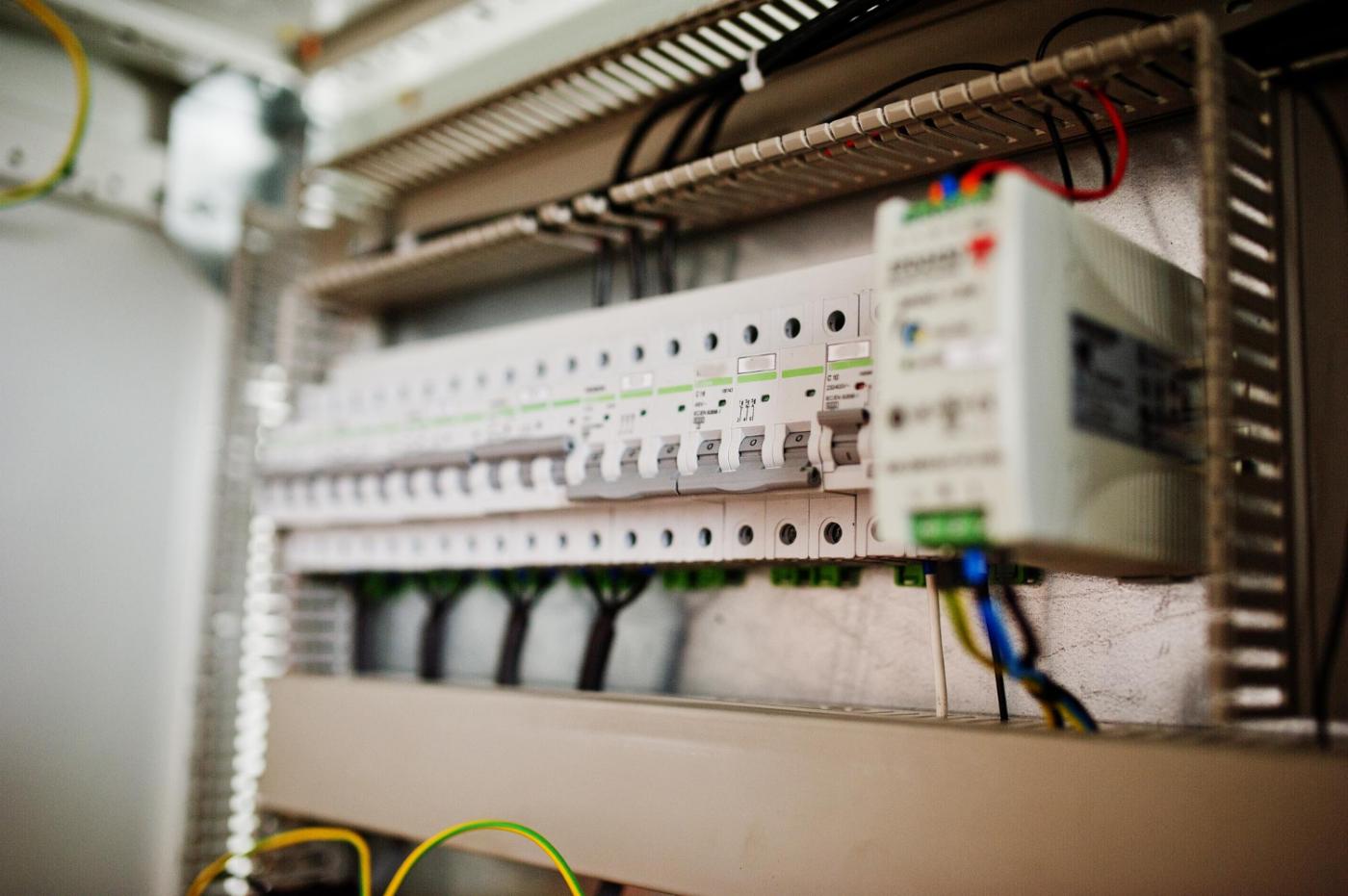
A battery unit is installed alongside your electrical panel and wired into your home's circuits. You choose which circuits to back up: typically lights, refrigerator, some outlets, and depending on system size, an HVAC unit. The battery charges automatically from the grid or from solar panels if you have them.
Installation takes one to two days for a single unit, longer for larger multi-battery systems. A permit is required for the electrical work in every NC county.
Costs in North Carolina
The main cost variables:
- Number of units. A single battery covers essentials. Whole-home backup for multi-day outages typically requires two or more.
- Brand and capacity. Units range from 10 to 20 kWh. Tesla Powerwall, Enphase IQ, and Franklin Electric are the most common in NC.
- Paired with solar or standalone. Standalone battery installs are slightly more expensive per unit because there is no inverter to share. Solar-plus-storage qualifies for the Duke Energy PowerPair program; standalone battery does not.
The Duke Energy PowerPair program
Duke Energy's PowerPair program is the main upfront incentive for NC homeowners adding solar and battery together. It covers $400 per kWh of battery capacity, up to $5,400, and $0.36 per watt-AC of solar, up to $3,600. The combined maximum is $9,000. Both Duke Energy Progress (Raleigh) and Duke Energy Carolinas (Charlotte) offer the program.
PowerPair requires solar and battery to be installed at the same time. A standalone battery does not qualify. The program is first-come, first-served. For the full picture on current NC incentives, read the NC Solar Incentives guide.
Pairing battery storage with solar in NC
Battery plus solar is the strongest combination in NC. Your panels generate power during the day, the battery stores what you don't use, and you draw from storage in the evening instead of buying peak-rate grid power. Duke Energy's net metering program still applies. Any overflow from a full battery goes to the grid for a credit.
Most installers who do residential solar in NC also do battery storage. If you're considering both, do them together. It simplifies the permit process and the electrical work.