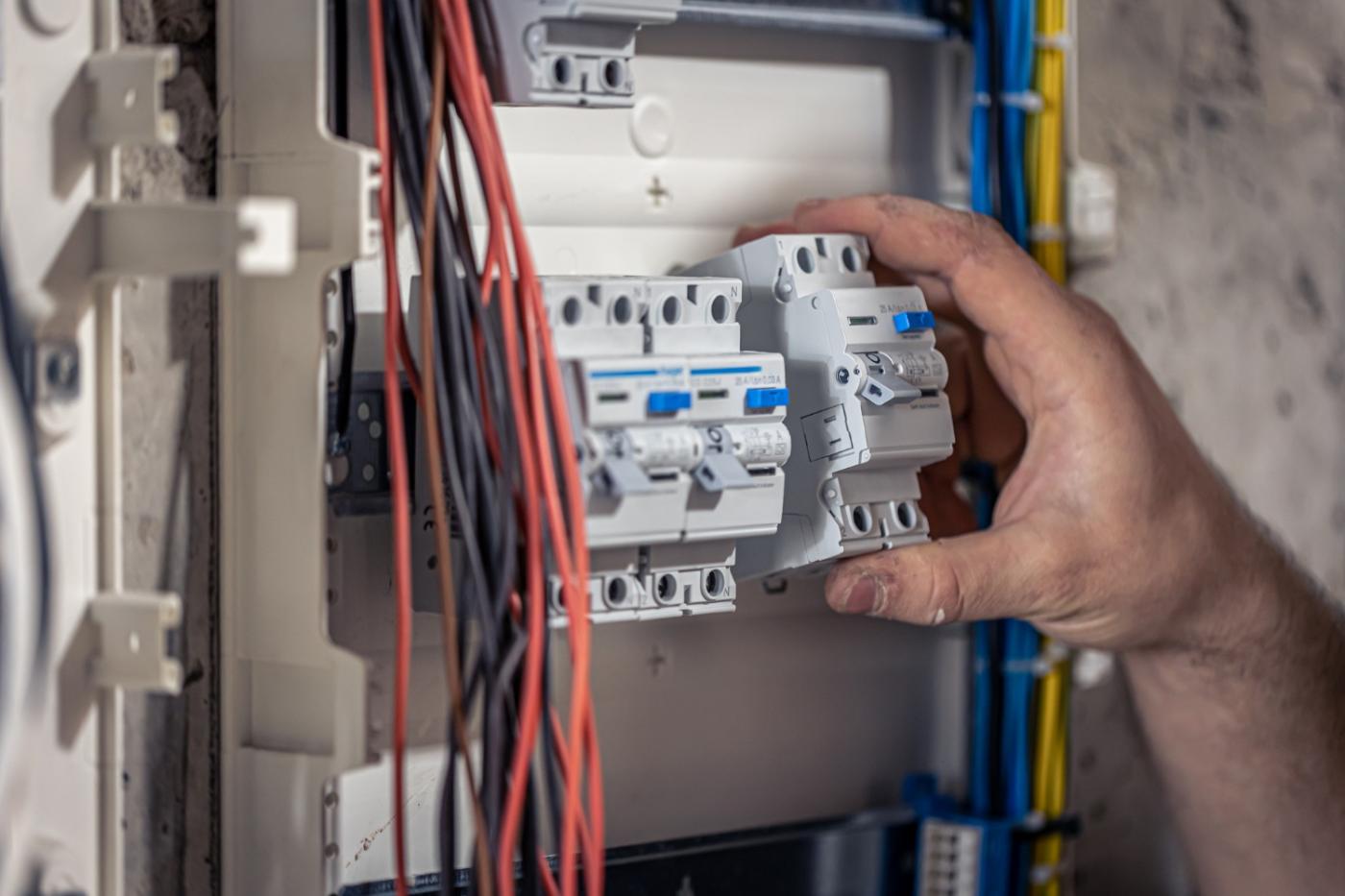
Panel upgrades have become one of the most requested electrical jobs in NC as homeowners add EV chargers, heat pumps, and solar systems. Older homes with 100-amp service often can't support a new high-draw circuit without panel work first. But plenty of electricians recommend upgrades that aren't actually needed. A 200-amp panel with available capacity can usually take a Level 2 EV charger without any changes. Get an honest assessment before booking anything.
When a panel upgrade is actually needed
A panel upgrade is genuinely necessary when:
- You have 100-amp service and want to add an EV charger, solar system, or heat pump
- Your panel is at or near capacity (every breaker slot is used and you need a new circuit)
- You have an older Federal Pacific or Zinsco panel, which have known safety issues and should be replaced regardless of capacity
- You're doing a significant home renovation that will add substantial electrical load
Many homes with 200-amp service have available capacity and do not need an upgrade. An electrician can check your panel load in a few minutes. For a full breakdown, read the panel upgrade guide.
Costs in North Carolina
The main cost variables:
- Current service size. A 100A to 200A upgrade is the most common. Going to 400A service costs more and requires utility approval.
- Panel location and access. Panels in finished spaces or with limited access take longer to work on.
- Wiring condition. If your home has aluminum branch circuit wiring or other outdated systems, additional work may be required alongside the panel swap.
- Meter base. Sometimes the meter base needs replacing at the same time, which adds cost and requires utility coordination.
What the process involves
Duke Energy (which serves most of NC) needs to disconnect power at the meter before the work begins. Your electrician coordinates this. The old panel is replaced with a new one, circuits are transferred, and everything is reconnected. A county electrical inspection is required before the utility restores power.
The whole process (utility disconnect, panel swap, inspection, reconnect) typically takes one full day for the electrical work plus one to two additional days for inspections and utility scheduling.
Panel upgrades paired with EV chargers or solar
If you're upgrading your panel specifically to support an EV charger or solar system, doing both at once saves time and money. Your electrician can run the new EV circuit or solar interconnection while the panel is already open. One permit, one inspection, one day of disruption.